One Connecticut city stands out as the state’s poorest: Hartford. Often overshadowed by wealthier towns in Fairfield County, Hartford faces stubborn poverty, low median incomes, and a shrinking job base that have kept it at the bottom of most statewide rankings for years. At the same time, the city is home to state government, a growing medical sector, and a resilient community working toward revitalization.
Below is an article‑style look at why Hartford is considered Connecticut’s poorest town, what the data show, and what local leaders are trying to change.
Why Hartford Tops the Poverty List
By most modern metrics, Hartford has the highest poverty rate among Connecticut cities, with about 26.9 percent of residents living below the federal poverty line. The city’s median household income—roughly 41,841 dollars—also ranks as the lowest in the state, well below the statewide average.
These figures mean that more than one in four Hartford residents struggle with basic needs such as housing, food, and healthcare, even as nearby towns enjoy some of the highest incomes in the country. The gap between Hartford and wealthier suburbs helps explain why data‑driven rankings repeatedly label Hartford as the poorest place in Connecticut.
Who Is Living in Poverty?
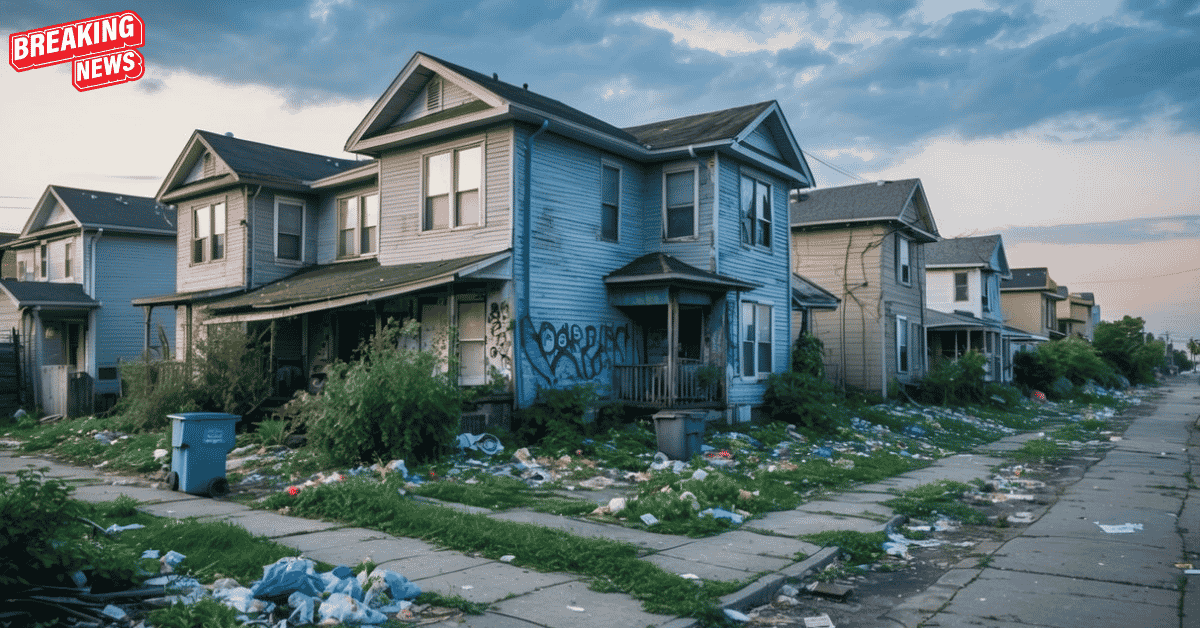
Within Hartford, poverty is especially concentrated among children and communities of color. Studies show that more than a third of all Hartford residents and nearly half of the city’s children live in poverty, far above the state averages for both general and child poverty rates.
This deep concentration is tied to long‑term factors such as:
- Deindustrialization and loss of manufacturing jobs.
- Underfunded schools and limited access to quality education and job training.
- Housing segregation and concentrated‑poverty neighborhoods where resources are scarce.
These conditions create cycles where families stay poor from one generation to the next, even as nearby towns benefit from stronger tax bases and better public services.
The Contrast With Connecticut’s Wealth
Hartford’s poverty exists in a state that is among the wealthiest in the nation overall. Fairfield County, in particular, is home to several of the richest ZIP codes in the United States, where median incomes often exceed 100,000 dollars or more.
This sharp divide creates what researchers call “concentrated wealth and concentrated poverty”: a few hyper‑rich regions next to deeply poor urban centers, with few middle‑ground communities in between. In Hartford, this means limited state and local tax dollars, more reliance on federal aid, and ongoing pressure on social‑service nonprofits and faith‑based groups to fill the gaps.
Efforts to Turn the Tide
Despite the grim numbers, there are local efforts underway to reverse Hartford’s fortunes. The city’s downtown still hosts state government offices, insurance companies, and healthcare employers, which provide many of the higher‑wage jobs in the region. In recent years, projects have aimed to:
- Expand workforce development programs and partnerships with community colleges.
- Invest in affordable housing, transit, and school‑renovation projects that target low‑income neighborhoods.
- Attract new small businesses and startups to under‑served areas of the city.
Nonprofits and neighborhood groups also run food‑pantry networks, after‑school programs, and job‑training initiatives that help residents stay afloat while broader economic changes slowly take hold.
What Hartford’s Story Means for the State
Hartford’s status as Connecticut’s poorest town is more than a headline; it is a reminder of how deeply inequality can shape a single city while the rest of a state prospers. Policymakers, advocates, and everyday residents continue debating how to rewrite Hartford’s economic future—whether through more state aid, better transportation links, or stronger local entrepreneurship.
As long as its poverty rate remains high, Hartford will likely keep appearing at the top of “poorest‑city” lists. But the city’s mix of public infrastructure, federal funding, and community resilience also means that change is possible—if the broader state chooses to invest in it.
Sources
- (https://www.roadsnacks.net/poorest-places-in-connecticut/)
- (https://ctvoices.org/wp-content/uploads/2016/02/bud16mapecondisparities.pdf)
- (https://ctdatahaven.org/report/concentrated-wealth-and-poverty-connecticuts-neighborhoods/)