Sleeping in your car in Alabama is generally legal under state law, but it depends heavily on where you park, who owns the property, and whether you are impaired. Below is a breakdown tailored for someone planning or researching this in Alabama.
Is car‑sleeping legal statewide?
Alabama does not have a blanket law that bans sleeping in your vehicle; there is no statewide statute that criminalizes simply resting or napping in a parked car. However, you can still run afoul of:
- parking laws (e.g., on highways, interstates, or in restricted areas),
- local city or county ordinances,
- trespassing rules on private property, and
- DUI or “actual physical control” rules if you are intoxicated.
Where you can usually sleep
These settings are generally safer, provided no local rules ban it:
- State rest areas (for short naps): Short‑term rest is allowed, but overnight parking and “camping” are not permitted; you risk being cited or asked to move.
- Truck stops and 24‑hour businesses (with permission): Many truck stops and gas stations allow overnight parking for drivers, but you should check posted signs or ask staff; some locations explicitly forbid sleeping in cars.
- Public parking with posted approval: Some cities quietly allow it in certain lots as long as you are not camping or creating a nuisance.
Always treat any overnight spot as “permissive,” not “guaranteed,” and move on if an officer or employee asks you to leave.
Where you should avoid sleeping
Alabama law and practice make some places risky:
- On highways or interstate shoulders: Parking on the roadway or emergency lane is illegal and can lead to tickets or towing.
- Rest areas overnight: Overnight stays are discouraged and often treated as “camping,” which is prohibited; you may be woken up or asked to move.
- Private property without permission: Parking overnight in a business lot, apartment complex, or private driveway without consent can lead to trespassing charges under Alabama law.
- Certain cities with local bans: Some municipalities (for example, Gulf Shores and Fairhope) have local ordinances that ban sleeping in vehicles from roughly 10 p.m. to 6 a.m.; violations can be treated as misdemeanors or ordinance infractions.
Always check the specific city or county code before parking overnight in a town you do not know well.
The DUI and impairment risk
A major concern in Alabama is the DUI / “actual physical control” doctrine:
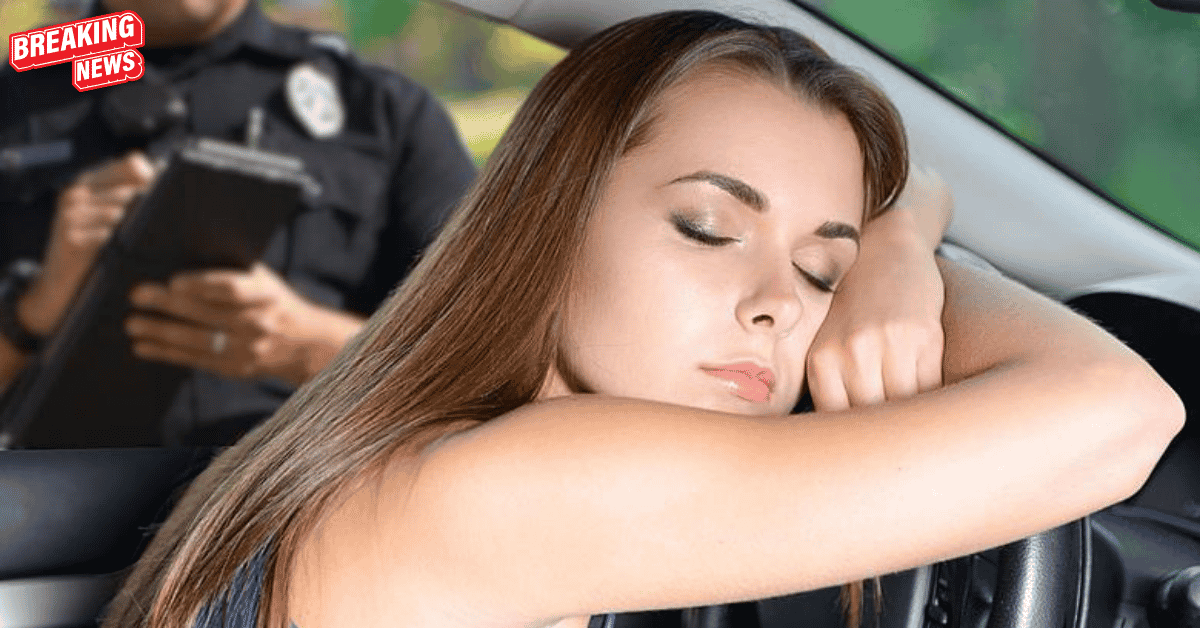
- Alabama treats being in actual physical control of a vehicle while intoxicated as a potential DUI, even if the car is not moving.
- This means you can be arrested if you are:
If you intend to consume alcohol, it is safer to arrange a ride, stay in a hotel, or park and sleep somewhere you have explicit permission—without putting yourself in “control” of the car.
Practical tips for staying legal
- Check local ordinances for each city or county; a few Alabama towns ban overnight car‑sleeping or vehicle camping.
- Avoid highways, rest‑area camping, and no‑parking zones; stick to designated rest stops, truck stops, or approved lots.
- Get explicit permission when parking overnight on private property (gas stations, lots, etc.).
- Never sleep in the driver’s seat while intoxicated; this can trigger a DUI under Alabama’s “actual physical control” rule.
Sources:
- https://allowedhere.com/legality/sleeping-in-car/alabama/
- https://www.yahoo.com/news/articles/legal-sleep-alabama-rest-area-135049910.html