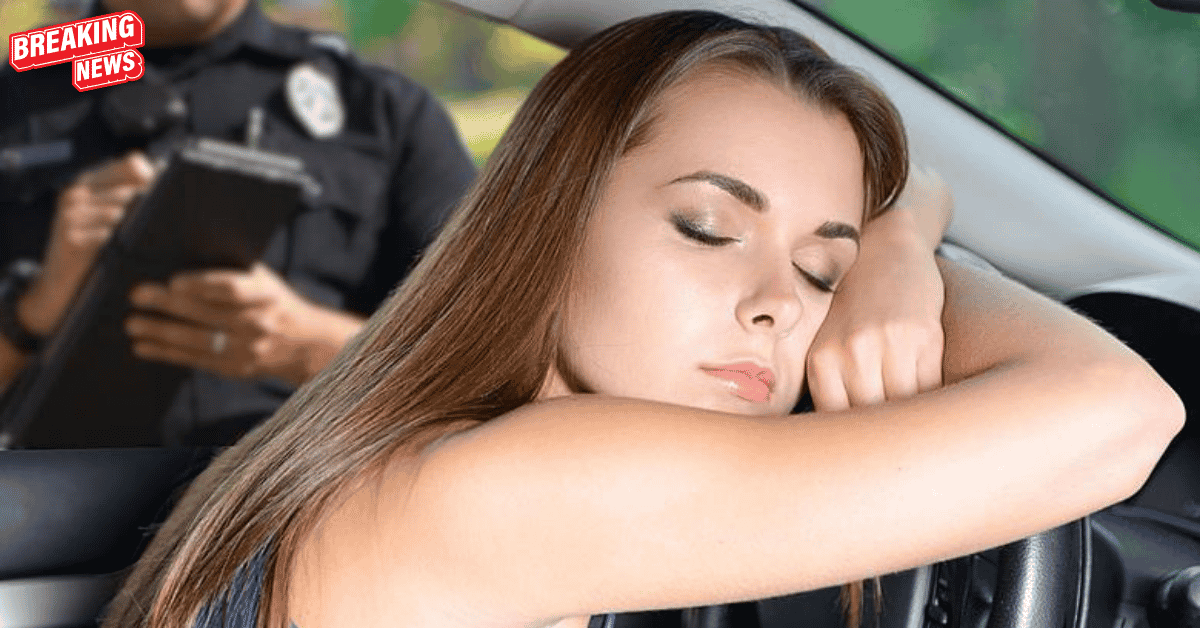
Sleeping in your car in California is not automatically illegal, but it is heavily regulated by local laws, parking rules, and anti‑camping/“vehicle habitation” ordinances. In many places you can legally sleep in your vehicle overnight, but only if you are parked in a legal spot and not violating local rules.
What state law says
- California has no statewide law that bans sleeping in a car; the legality almost always depends on where you are parked and the local city or county rules.
- You can still be cited or towed under Vehicle Code § 22651(a) if your car is parked in a restricted area, poses a safety hazard, or blocks a driveway, crosswalk, or other prohibited zone.
Where it is usually allowed
- Rest stops and truck stops: You can typically sleep in your car at state rest areas for up to about eight hours, but you must stay inside the vehicle and not set up camp outside.
- Private property with permission: On private lots, driveways, or business land where the owner allows it, sleeping in your car is usually fine as long as you obey posted hours and parking signs.
- Campgrounds and RV‑style lots: Many campgrounds and RV parks allow overnight car or RV sleeping, but fees and reservations often apply.
Where it often becomes illegal
- Local “anti‑camping” or “vehicle habitation” ordinances: Cities such as Los Angeles, San Francisco, and San Diego ban sleeping in vehicles in many residential or public‑street areas, especially during nighttime hours.
- Los Angeles, for example, generally prohibits sleeping in vehicles in residential areas between 9 p.m. and 6 a.m. under certain parts of the Municipal Code.
- San Diego and similar cities often restrict overnight vehicle sleeping near homes, schools, or in posted “no‑overnight‑parking” zones, with fines ranging from about $25 up to $1,000 for violations.
Practical tips for tenants and travelers
- Always read signs: Check for “no overnight parking,” “no camping,” or “no vehicle habitation” signs before you park and plan to sleep.
- Avoid looking like you’re living in the car: Bringing in camping gear, sleeping supplies, or staying in the same spot for days at a time can trigger anti‑camping or “living in a vehicle” citations even if short‑term sleeping is technically allowed.
- If you’re unhoused or in crisis, many California cities run Safe Parking Programs or emergency shelters; these are usually safer and more legal than trying to sleep in a car on restricted streets.
Sources:
- https://reolink.com/blog/is-it-illegal-to-sleep-in-your-car/
- https://www.prestigelaw.com/blog/can-you-legally-sleep-in-car-in-california/