Kentucky, known for its rolling hills, horse farms, and bourbon heritage, has also faced a quieter but deeply troubling issue—drug trafficking. Among its cities, one has repeatedly drawn attention from law enforcement and public health officials as a central hub for illegal drug distribution: Louisville.
Why Louisville Has Earned This Reputation
Louisville’s designation as a drug trafficking hotspot is not случай or exaggerated. Its geographic location plays a major role. Positioned along major interstate highways such as I-64, I-65, and I-71, the city serves as a crossroads for transportation across the Midwest and Southeast. This accessibility makes it an attractive transit point for drug networks moving substances like fentanyl, heroin, methamphetamine, and cocaine.
In addition, Louisville’s size and economic diversity create both opportunity and anonymity—two factors that trafficking operations often exploit.
The Role of Fentanyl and Opioids
In recent years, fentanyl has become the most dangerous drug impacting the city. This synthetic opioid is significantly more potent than heroin and has been responsible for a sharp rise in overdose deaths. Traffickers favor fentanyl because it is cheaper to produce and easier to transport in small quantities.
Law enforcement agencies have reported that much of the fentanyl entering Louisville is distributed through organized networks that span multiple states, further reinforcing the city’s role as a regional hub.
Law Enforcement Efforts and Challenges
Authorities in Louisville have intensified efforts to combat drug trafficking through coordinated operations involving local police, federal agencies, and task forces. These efforts include:
- Increased surveillance and undercover operations
- Targeting major distribution networks rather than just street-level dealers
- Collaborations with neighboring states
Despite these efforts, challenges remain. Drug networks continuously adapt, using new routes, technologies, and distribution methods, including social media and encrypted communication platforms.
Community Impact
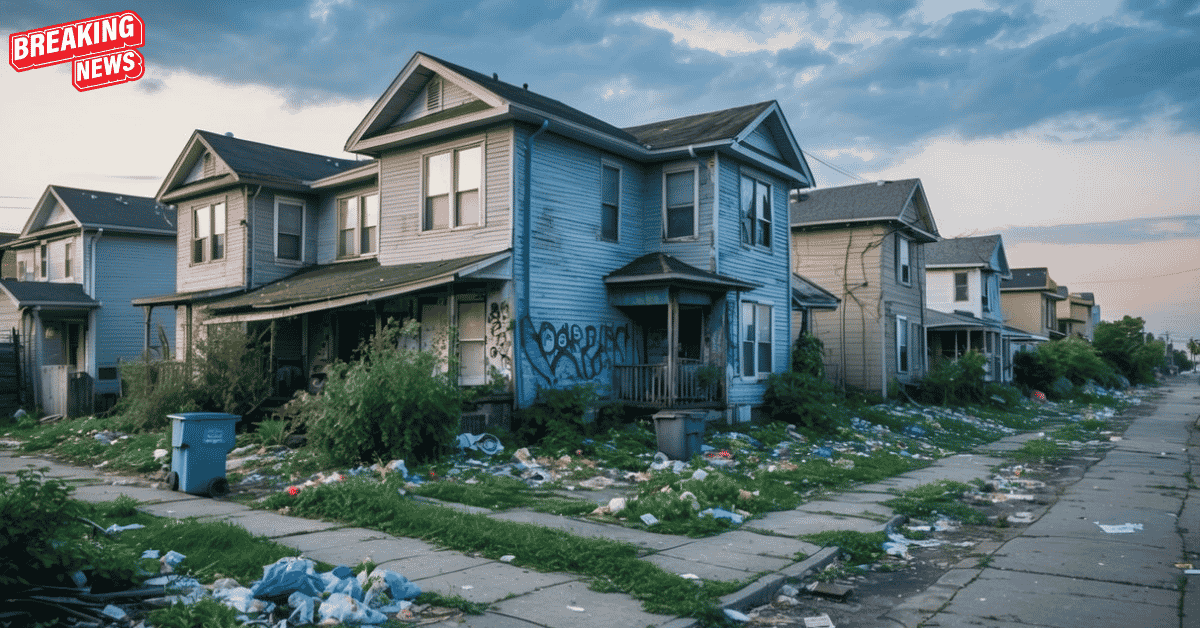
The consequences of drug trafficking extend far beyond crime statistics. Communities in Louisville have experienced:
- Rising overdose deaths
- Strain on healthcare and emergency services
- Increased homelessness and unemployment
- Family disruption and long-term social challenges
Neighborhoods most affected often face cycles of poverty and limited access to treatment resources, making recovery more difficult.
Efforts Toward Recovery and Prevention
While enforcement is crucial, Louisville has also invested in prevention and recovery initiatives. These include:
- Expanding access to addiction treatment programs
- Distributing naloxone to reverse overdoses
- Public awareness campaigns about opioid risks
- Support services for affected families
Local organizations and community leaders have emphasized that addressing drug trafficking requires not just policing, but also compassion, education, and long-term support systems.
Looking Ahead
Labeling Louisville as the “drug trafficking capital” of Kentucky highlights a serious issue, but it also underscores the urgency for comprehensive solutions. Progress will depend on a balanced approach—one that combines law enforcement, public health strategies, and community engagement.
The city’s future will ultimately be shaped not just by the challenges it faces, but by how effectively it responds to them.