New York City has released its first draft of guidelines on how artificial intelligence (AI) should be used in public schools, inviting public feedback before May 8. But instead of clarity, the response from parents, students, and educators has largely been frustration, especially over the lack of clear rules for student use.
Focus on Teachers, Not Students
The current guidance mainly explains how teachers can use AI tools, while offering only limited direction for students. Officials say students may use AI for research, brainstorming, and creative work, but only with proper guidance and critical thinking. However, many feel this is too vague and leaves important questions unanswered.
Miatheresa Pate emphasized that AI should support learning, not replace it. She described it as a “thinking partner” that can help students generate ideas or understand complex topics, but not do the work for them.
Concerns About Learning and Critical Thinking
Many parents worry that easy access to AI tools could reduce students’ ability to think independently. Some fear it may weaken problem-solving skills and slow cognitive development, especially if students rely too heavily on AI-generated answers.
These concerns are supported by research showing that students who depend on AI tools may engage less deeply with material compared to those using traditional methods like search engines.
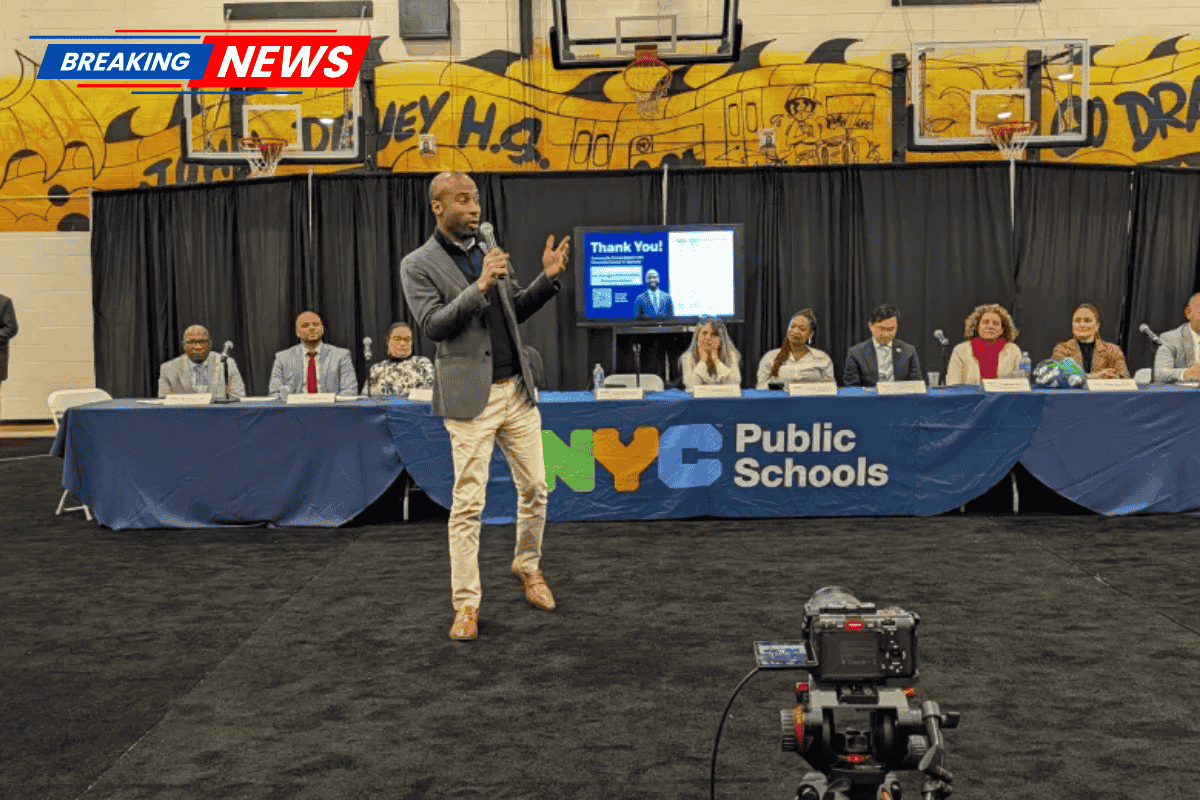
Students themselves are also cautious. At a recent school event, some said overusing AI could harm their critical thinking skills and make them less prepared for real-world challenges.
Teachers See AI as a Helpful Tool
On the other hand, teachers and some parents see benefits. The guidelines allow educators to use AI for lesson planning, research, scheduling, and creating materials, as long as the final output is reviewed by a human.
Supporters say this can reduce workload and give teachers more time to focus on students. However, they agree that teachers must remain in control and ensure AI is used responsibly.
Unclear Role for Students with Disabilities
A major gap in the guidelines is how AI applies to students with disabilities. While officials say traditional assistive tools like speech-to-text are allowed, they make a distinction between those and AI-powered tools.
This has raised concerns among advocates, who say AI can play a crucial role in helping some students learn. For example, tools like predictive text or AI-assisted writing can help students who struggle with handwriting or starting tasks.
Experts argue that instead of ignoring these tools, schools should teach students how to use them properly and responsibly.
Call for Clearer Rules
Parents and advocacy groups are asking for clearer, more practical guidance. They want defined boundaries on what students can and cannot do with AI, along with better support for safe and transparent use.
There is also a growing call to focus less on punishment and more on education, helping students understand when and how to use AI appropriately.