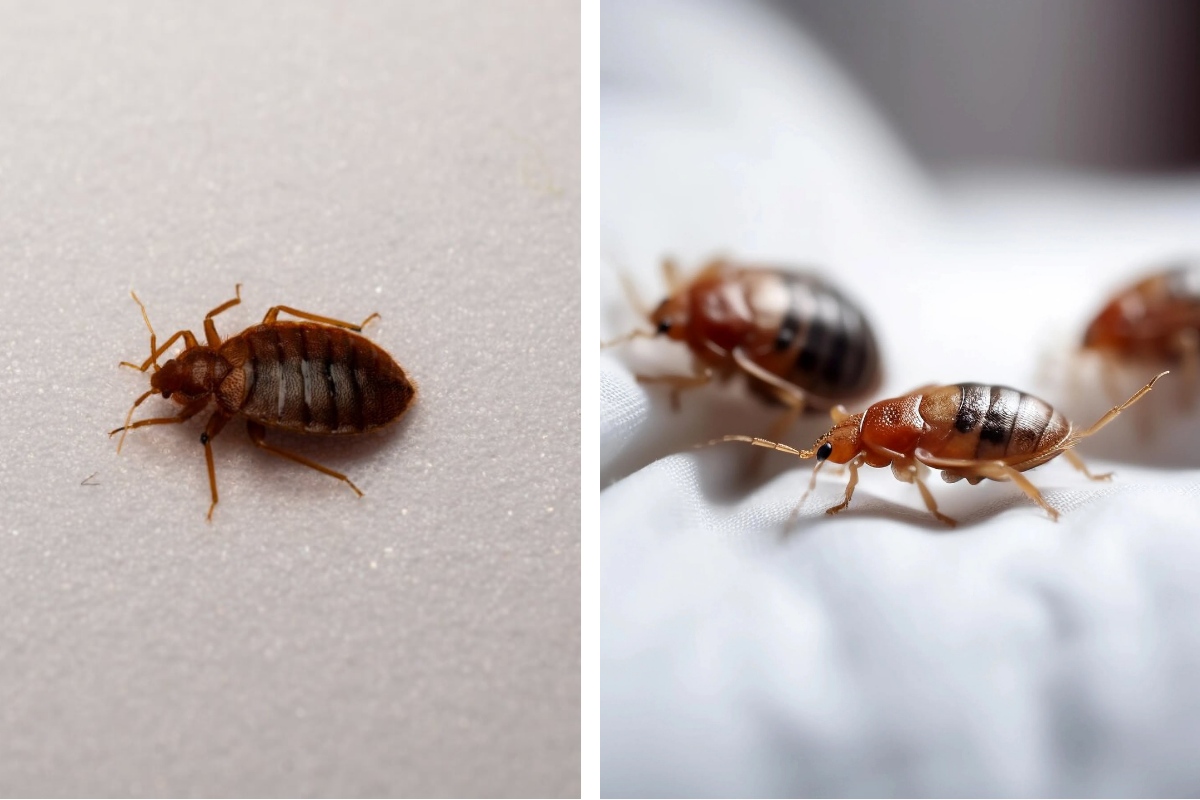
Bed bugs have crawled their way into the headlines again, infesting multi‑unit housing, hotels, and even major workplaces across New York. While New York City remains the most notorious bed‑bug‑prone city in the state, several other urban centers are also stepping up with targeted policies, inspections, and public‑education campaigns to slow the spread. Here are five New York cities at the forefront of this insect‑invasion fight.
New York City: The Epicenter Adapting
For years, New York City has battled bed bugs through a mix of enforcement, landlord‑responsibility rules, and public‑health data tracking. The city’s Housing Preservation and Development (HPD) runs a dedicated bed‑bug program that assigns treatment responsibility to landlords, requires disclosure to tenants, and reviews complaints citywide.
Recent data show complaints have declined across all five boroughs, with the steepest drops in higher‑income areas that can afford more thorough extermination and preventive measures. Still, dense apartment buildings and mass transit hubs mean bed bugs remain a persistent threat, prompting ongoing outreach to help residents spot early signs and report infestations quickly.
Syracuse: Schools, Homes, and Public Campaigns
Syracuse has long ranked among the most bed‑bug‑infested cities in New York, with pests spreading not only through apartments but also public schools and shared housing. In response, the city rolled out a series of local anti‑bed‑bug policies, including mandatory inspections, clearer reporting rules, and community education for parents and landlords.
Heat‑treatment units, sniffer‑dog teams, and stricter condo‑association rules have helped drive down infestation rates in recent years. Local officials continue to emphasize that bed bugs are not a “dirty‑home” issue but a hitchhiking problem, urging residents to inspect secondhand furniture and luggage after travel.
Buffalo: Targeting Multi‑Unit Housing
Like many older industrial cities, Buffalo faces an extra challenge from high‑density, older housing stock where bed bugs can jump easily from unit to unit. Pest‑control data rank Buffalo among the Empire State’s worst‑hit cities, which has pushed local landlords and housing authorities to adopt more aggressive inspection and treatment protocols.
In Buffalo, the focus has shifted toward coordinated building‑wide treatments instead of isolated unit‑by‑unit responses, since treating only one apartment often fails to stop the spread. Community groups and housing agencies also run workshops on how to diagnostically identify bed bugs, prepare for heat treatments, and reduce the risk of reinfestation.
Albany: Government‑Centered Prevention
As New York’s capital, Albany combines dense urban housing with a steady flow of visitors and government employees, which can help bed bugs ride in via bags, clothes, and office furniture. City officials have tightened building‑code language and partnered with state health departments to provide landlords and managers with standardized checklists and reporting forms.
Public‑health campaigns in Albany stress that bed bugs are not a sign of poor hygiene but a logistical challenge of modern life. The city also promotes “bed‑bug‑smart” practices for hotels, dorms, and group homes, such as using protective mattress encasements and limiting clutter where bugs can hide.
Yonkers and the Hudson Valley Cluster
Just north of New York City, Yonkers and several Hudson Valley communities have appeared repeatedly on national “worst‑cities‑for‑bed‑bugs” lists, largely due to dense residential buildings and frequent commuter traffic into the city. Local governments have responded by requiring landlords to document bed‑bug history in leases and mandating quicker response times when a report is filed.
Yonkers and nearby towns have also leaned on regional pest‑control networks and public‑service announcements to teach residents about early warning signs—such as telltale bite patterns, dark spots on mattresses, and musty odors—so problems can be addressed before they spiral. For many residents, the message is simple: treat bed bugs as a public‑health issue, not a personal embarrassment, and act fast when indications appear.
Across these five New York cities, the fight against bed bugs relies on a mix of legal accountability, coordinated extermination, and public awareness. While the bugs themselves are tiny, the scale of the infestation—and the speed with which they can move from one zip code to the next—has turned local pest control into a major urban‑health priority.
Sources
- (https://hudsonvalleypost.com/new-report-bed-bugs-plague-these-hometowns-in-new-york/)
- (https://www.nyc.gov/site/hpd/services-and-information/bedbugs.page)
- (https://pmc.ncbi.nlm.nih.gov/articles/PMC9135212/)