Florida’s right turn on red rule remains permissive in 2026, allowing turns after a full stop unless prohibited by signs. No major statewide overhaul occurred this year, but enforcement via cameras and local tweaks emphasize safety.
Core Rule Explained
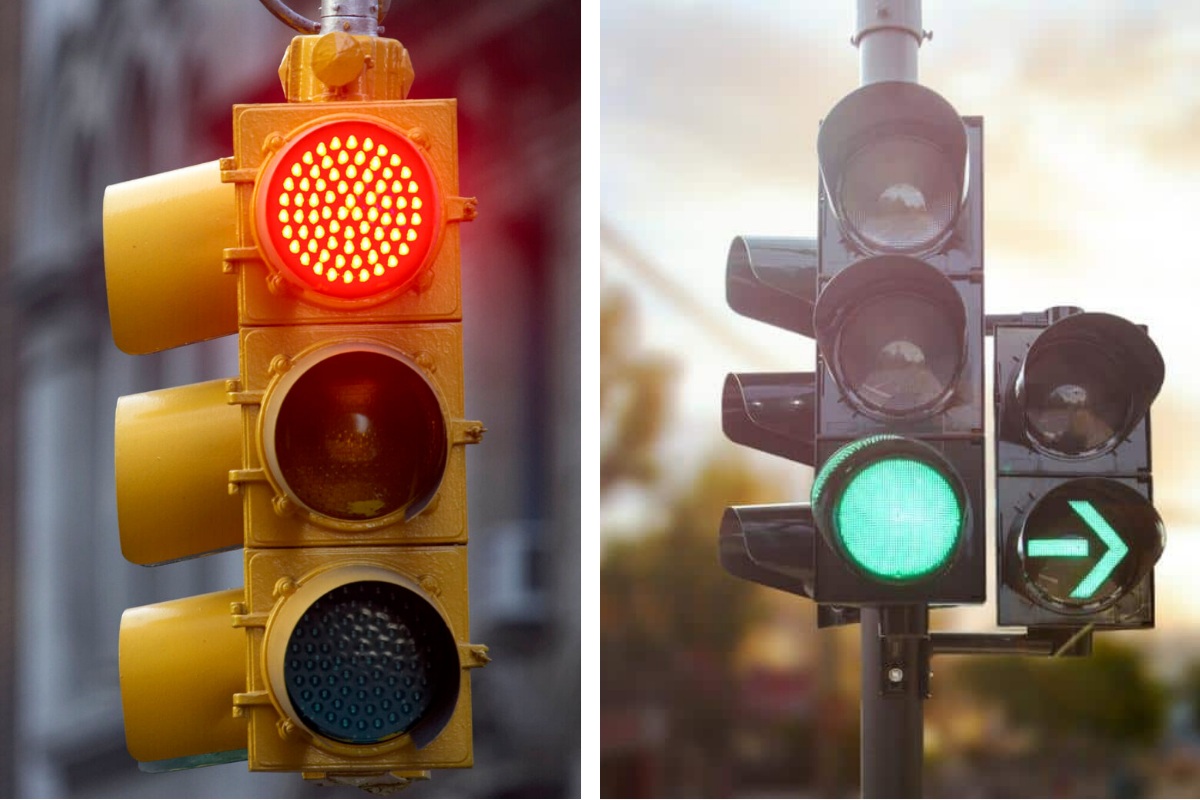
Under Florida Statute § 316.075(1)(c), drivers facing a steady red light must stop before the crosswalk or intersection. After stopping, a right turn is legal if the intersection is clear and no “No Turn on Red” sign is posted. Yield to pedestrians, cyclists, and any cross traffic with right-of-way—failure here triggers citations.
The rule applies statewide, including red arrows in most cases (steady red arrow allows it post-stop), but solid red arrows demand waiting for green. Municipalities can ban it at risky spots like school zones via signage, common in urban areas.
2026 Updates and Enforcement
No sweeping 2026 changes altered the baseline, per the latest statute reviews. House Bill 1080 refined camera enforcement for right-on-red violations, defining “careful and prudent” turns to curb unsafe maneuvers caught on detectors. This targets rolling stops or failing to yield, with fines unchanged at ~$125 plus 3 points.
Red light cameras, active in cities like Miami and Orlando, now scrutinize right turns more rigorously post-update. Local ordinances added “No Turn” signs at high-crash intersections, but the DMV handbook confirms the rule’s stability. Seniors and tourists face reminders via 2026 awareness campaigns.
Common Violations and Penalties
Rolling through without stopping is the top ticket, equating to running a red (~$158 fine, 4 points possible). Not yielding to peds or bikes often leads to accidents; Florida reports thousands of right-on-red crashes yearly, many pedestrian-involved.
Penalties include:
- Fine: $125–$300, varying by county.
- Points: 3 on license, risking suspension at 12.
- Insurance hikes: 20–50% premium jump.
- Court-mandated courses for point reduction.
DUI or reckless combos escalate to misdemeanors with jail time.
Safety Best Practices
Approach in the right lane, stop fully behind the line, then scan left (oncoming), right (cross traffic), and straight (peds/bikes). In rain—prevalent in Florida—hydroplaning risks rise; hesitate if visibility sucks. Nighttime intersections with poor lighting demand extra caution.
For left turns on red: Only from one-way to one-way, post-stop, no sign ban. Cyclists treat it same as cars, but drivers yield. Apps like Waze flag “No Turn” zones in real-time.
National Context
All 50 states permit right-on-red since the 1970s energy crisis, but Florida’s yielding emphasis aligns with stricter pedestrian states like New York. Unlike bans in NYC or DC, Florida balances flow and safety. Proposed federal uniformity stalled.
Globally, Europe often prohibits it outright, prioritizing walkability.
Special Scenarios
- School zones: Frequent bans during hours.
- Construction: Follow temp signs.
- Roundabouts: No right-on-red equivalent.
- EVs/autos: Same rules; ADAS assists but doesn’t excuse violations.
Tourists: Rental agreements remind of the stop-yield rule; violations hit deposits. Commercial drivers log stricter logs under FMCSA.
Driver Tips
Practice in empty lots: Full stop, shoulder checks, smooth turn. Defensive driving courses (online, $20) cut points. Dash cams prove innocence in disputes. Stay updated via FLHSMV site or apps.
Right-on-red boosts efficiency but demands vigilance—Florida’s 2026 focus is compliance, not restriction. Drive smart.
Sources
- (https://www.forthepeople.com/blog/can-you-make-right-turn-red-florida/)
- (https://561injuryhelp.com/blog/what-are-the-rules-for-turning-on-red-lights-in-florida/)
- (https://bocabayduiprogram.org/blog/can-you-turn-right-on-red-light-fl/)