California’s right‑turn‑on‑red rule has not undergone a major substantive change in 2026, but it is now enforced more tightly through new automated red‑light camera programs and higher fines. This means the basic driving maneuver remains the same, but the consequences for doing it wrong have become stricter.
Below is a concise article‑style overview of what California drivers need to know about the 2026 update to the right‑turn‑on‑red rule.
What the Right‑Turn‑on‑Red Rule Is
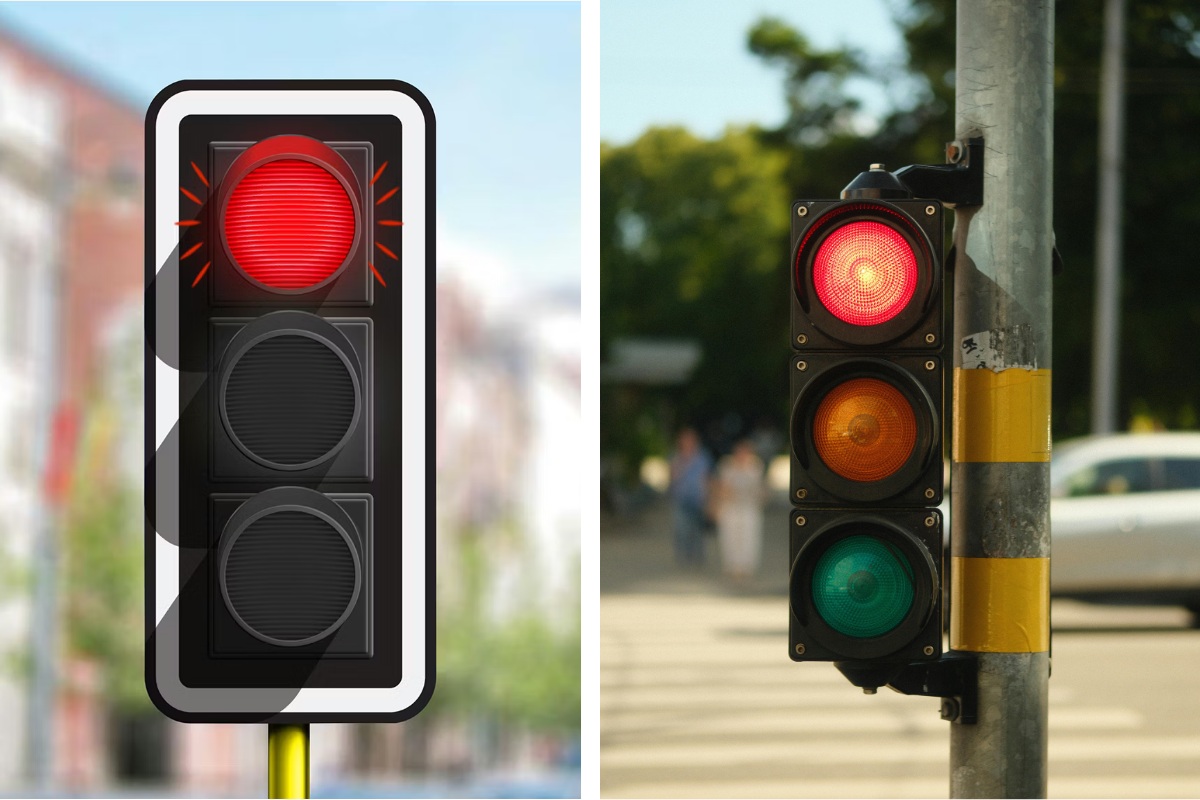
Under the California Vehicle Code §21453, a driver may turn right at a steady red signal after coming to a complete stop, if it is safe to do so and there is no “NO TURN ON RED” sign posted. This rule applies at most intersections between two‑way streets and from one‑way streets onto other one‑way streets, unless otherwise signed.
Before turning, drivers must yield to pedestrians legally in the crosswalk, as well as to any oncoming traffic or bicycles that have the right‑of‑way. Failing to yield can easily turn a legal turn into a traffic violation and increase the risk of crashes.
How 2026 Changes Affect the Rule
The core right‑turn‑on‑red rule has not been rewritten for 2026, meaning the stop‑and‑yield procedure remains unchanged. What has changed is enforcement: California cities and counties can now use expanded automated red‑light camera systems to catch both straight‑through red‑light runners and illegal right turns.
These programs operate under bills like SB 720, which allow local governments to issue civil‑penalty tickets based on automated camera footage without requiring a police officer to witness the offense. The registered owner of the vehicle can be held responsible, and repeat violations can trigger higher fines and stricter civil penalties.
When You Can and Cannot Turn Right on Red
A right turn on red is allowed only when:
- There is no “NO TURN ON RED” sign, and the traffic signal is a steady circular red (not a red arrow).
- You stop fully at the limit line, crosswalk, or before entering the intersection.
- You yield to pedestrians and vehicles that legally have the right‑of‑way.
You must not turn right on red if:
- A sign or signal explicitly prohibits such turns (for example, “NO TURN ON RED” or a red arrow facing your lane).
- You would block the crosswalk, interfere with a pedestrian, or force oncoming traffic to brake suddenly.
Even if a camera is not present, breaking these conditions can still lead to a standard red‑light or right‑turn‑on‑red ticket and a point on your driving record.
Penalties and Fines in 2026
Making an illegal right turn on a red light in California is typically treated as a moving violation, generally costing around 1 point on your license and a base fine of about 35 dollars, plus substantial additional fees that can push the total to roughly 100–250 dollars or more.
Under new automated enforcement programs, authorities emphasize stricter fine structures for repeated violations, with potential graduated increases for habitual offenders.
Because SB 720 and related laws treat many red‑light‑related infractions as civil penalties, the DMV does not suspend or revoke licenses for these camera‑issued tickets, but drivers still must pay the fines or face collection actions.
Safety and Practical Tips for Drivers
To stay compliant under the 2026 rules, California drivers should treat every right‑turn‑on‑red intersection as a high‑risk zone for pedestrians and cyclists. This means:
- Always coming to a complete, visible stop and scanning for pedestrians, bikes, and vehicles before turning.
- Checking for poorly marked limit lines or obscured signs, and defaulting to extra caution if visibility is poor.
- Avoiding rushed turns, especially in busy downtown or school‑zone intersections where automated cameras are more likely.
By following these steps, drivers can reduce the risk of crashes, avoid costly tickets, and adapt smoothly to California’s more technologically enforced 2026 traffic environment.
Sources
- (https://www.dmv.ca.gov/portal/news-and-media/dmv-highlights-new-laws-in-2026/)
- (https://www.dmv.ca.gov/portal/handbook/california-driver-handbook/laws-and-rules-of-the-road/)
- (https://www.calljacob.com/new-california-traffic-laws-for-2026-what-drivers-need-to-know/)