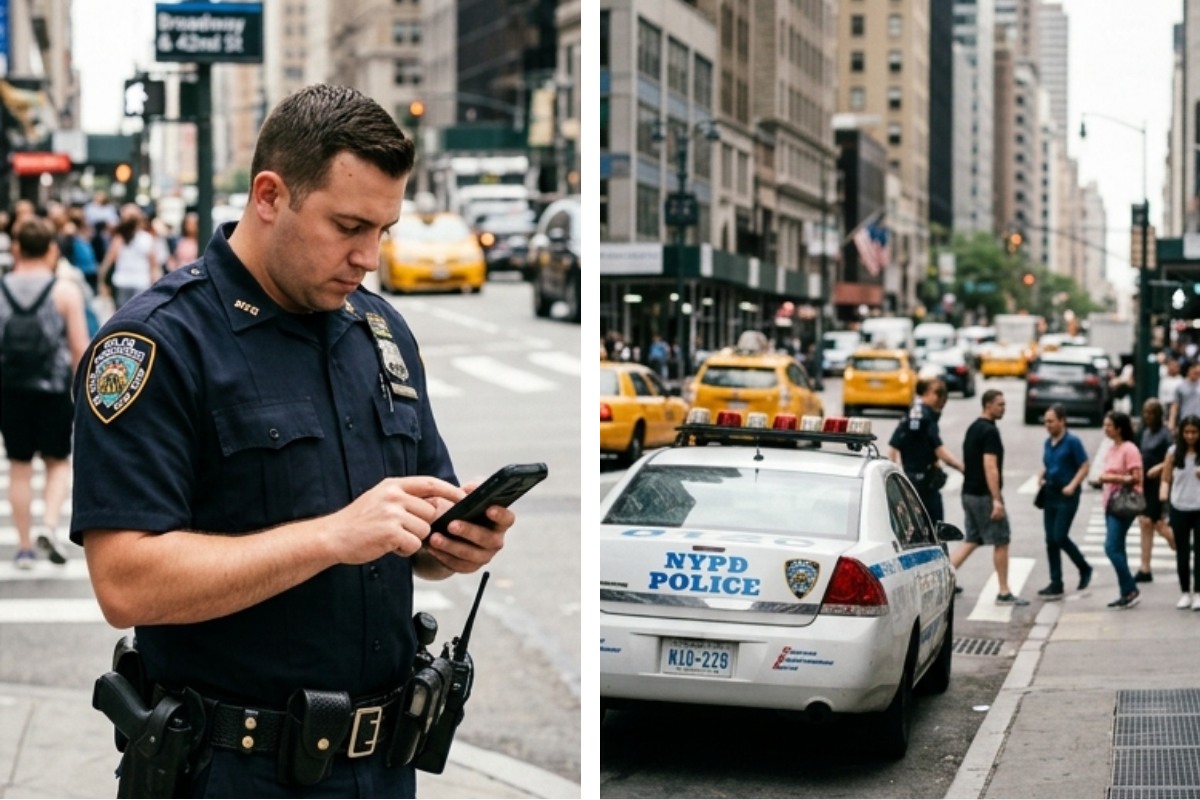
No, Oregon police generally cannot search your phone during a routine traffic stop without a warrant, consent, or a specific exception under the Fourth Amendment and Oregon’s Article I, Section 9 protections. The U.S. Supreme Court’s 2014 Riley v. California ruling mandates warrants for cell phone contents even incident to arrest, a standard Oregon courts uphold strictly. This safeguards digital privacy amid escalating data on devices.
Constitutional Protections at Play
Oregon’s traffic stops trigger dual scrutiny: federal Fourth Amendment against unreasonable searches and state Article I, Section 9, which demands probable cause tied to the stop’s purpose.
Police need reasonable suspicion for the initial stop (e.g., speeding), but phone searches exceed that scope absent further justification. Riley clarified phones aren’t like wallets—warrants prevent “rummaging” through vast personal data.
State v. Kurokawa-Lasciak reinforces: investigative detours during stops must relate directly to the violation or independent cause. Unrelated phone demands taint evidence, subject to suppression.
When Police Can Seize—But Not Search—Your Phone
Officers may seize your phone for safety (e.g., incident to arrest) without a warrant, per exceptions like officer protection or evidence preservation. However, accessing contents requires explicit judicial approval. Romano Law notes seizure alone doesn’t unlock data; warrants specify targets like texts or GPS.
During stops, “plain view” applies only to visible screens—not passcodes or apps. Coercing unlocks via fingerprints risks violating voluntariness, though warrants can compel biometrics.
Consent: The Biggest Risk and How to Avoid It
Consent waives warrants, but it’s voluntary—no coercion allowed. Officers often ask casually (“Mind if I check?”), fishing amid routine questioning. Politely decline: “I don’t consent to searches.” Silence protects; Oregon law deems coerced consent invalid if stops unlawfully extend.
Post-Riley, courts scrutinize: prolonged stops for phone demands without cause yield tainted fruit. Record interactions—body cams back refusals.
Exceptions Where Searches Might Happen
Exigency: imminent evidence destruction (e.g., remote wipe) justifies warrantless peeks, narrowly applied. Automobile exception covers vehicles but not detached phones. Inventory post-arrest/tow is catalog-only—no probing data.
Portland PD’s daily extractions rely on warrants detailing probable cause, per OPB reports; broad affidavits fail post-Monsor, limiting “plain view” digital finds.
Penalties and Evidence Challenges
Illegal searches prompt motions to suppress—evidence vanishes from cases. Civil suits under 42 U.S.C. §1983 claim violations, yielding settlements. Criminal charges against officers are uphill but possible for egregious acts.
2026 trends: Oregon’s stricter Article I, §9 often exceeds federal minima, favoring defendants. Dashcams, apps like ACLU Mobile Justice document stops.
Practical Steps During a Traffic Stop
- Pull over safely, hands visible.
- Provide license/registration/insurance only.
- Decline searches politely: “Officer, I respectfully don’t consent.”
- Note badge numbers, reasons given.
- Don’t argue—comply minimally, litigate later.
Lock phones remotely if seized; consult counsel immediately. Oregon DOJ clarifies rights online.
Broader Implications for Oregon Drivers
Phones hold lives—texts, locations, health data—elevating stakes beyond tickets. OPB highlights strained rights amid routine policing; reforms push warrant specificity. Tourists note: Oregon aligns nationally but enforces rigorously.
Stay informed: Oregon.gov guides and Romano Law resources empower. Refusal isn’t obstruction—it’s constitutional.
What to Do If Your Phone Was Searched Illegally
File complaints with agency internal affairs. Retain attorneys specializing in suppression—Justia notes options like appeals. Timelines matter: 30-60 days for motions. Free consults abound via public defenders.
Oregon prioritizes privacy—know it, assert it. Safe driving minimizes stops altogether.
Sources:-
- (https://answers.justia.com/question/2026/01/02/what-are-my-options-if-police-accessed-m-1097450)
- (https://www.oregon.gov/opdc/general/PortalChecklistsDocs/Car%20Stops%20&%20Searches%20Quick%20Reference%20Guide.pdf)
- (https://www.govtech.com/public-safety/can-police-search-your-phone-during-a-traffic-stop)